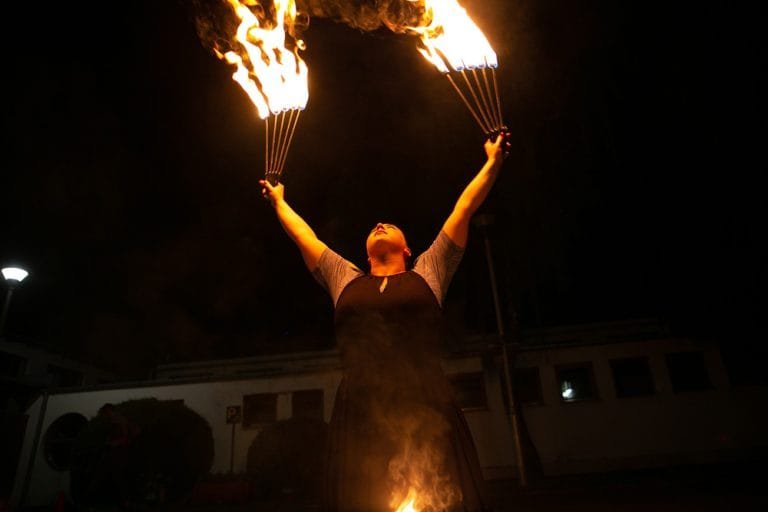

Fire dancing captivates audiences with its stunning visuals and artistry, but behind the flames lies a web of legalities that potential organizers and performers must navigate. This blog explores the essential legal requirements and regulations surrounding fire dancing, ensuring both safety and compliance at your next event.
Understanding Fire Dancing Laws
Fire dancing is categorized under activities involving open flames, which can pose safety risks if not properly managed. This is why most regions impose strict laws to govern these performances. Understanding and complying with these regulations is vital not just for safety but to ensure that events proceed without legal hitches.
The Importance of Permits
Obtaining the requisite permits is a crucial aspect of organizing a fire dance performance. Generally, permits affirm that an event meets the necessary safety standards. The specifics can vary widely based on the location and size of the performance.
- **Consult local authorities**: Research is key. Start by contacting your local fire department or municipal office to inquire about specific legal requirements in your area regarding fire dancers.
- **Submit applications early**: Permit applications can take time, often requiring details about the event size, location, and the experience level of the performers.
- **Include safety plans**: Be prepared to present detailed safety plans, including fire extinguishers on site and emergency response strategies.
Insurance Necessities
Even with permits in hand, insurance remains a critical component. Most venues mandate liability insurance to cover any potential accidents. This not only protects event organizers from financial loss but also serves as a testament to your professionalism and dedication to safety.
“In cities like New York and Los Angeles, events featuring fire dancers often require comprehensive insurance policies ranging from $1 million in coverage or more.”
Compliance with Safety Regulations
Safety regulations ensure the well-being of both performers and audiences. These typically include mandated distances between the performance area and the audience, as well as fire retardant materials for costumes and props.
- **Performance Area Safety**: Demarcate safe zones and establish clear boundaries to keep the audience at a safe distance.
- **Equip Performance Areas**: Have fire extinguishers and fire blankets readily accessible to handle potential incidents swiftly.
Advantages of Legal Compliance
Complying with the necessary legal requirements and regulations offers numerous benefits:
- Enhanced Safety: Compliance ensures that safety measures are in place, minimizing potential hazards.
- Peace of Mind: Knowing all legal bases are covered allows organizers to focus on creating an engaging audience experience.
- Reputation Enhancement: Demonstrating commitment to safety and legality can enhance reputation and open doors for future events.
Conclusion
Ensuring that your fire dancing event adheres to all legal frameworks is essential for a successful and secure performance. By taking the time to understand and apply the necessary permits, insurance, and safety regulations, you are investing in the safety and satisfaction of your audience and performers.
For anyone looking to host a mesmerizing fire dance show, it’s not just the performance that matters; it’s the preparation, permits, and protocols that truly set the stage. If you’re keen on showcasing a stunning fire dance act, consider visiting https://hestiafiredance.com/fire-dance-shows/ to explore how professional fire dancers can elevate your event.
Quick Summary
- Fire dancing is regulated under local laws requiring specific permits and safety measures.
- Insurance is a vital protective measure for organizers and performers alike.
- Compliance not only ensures safety but enhances reputation and potential future bookings.
“`