Fire Dancing Across Continents: Global Styles and Techniques
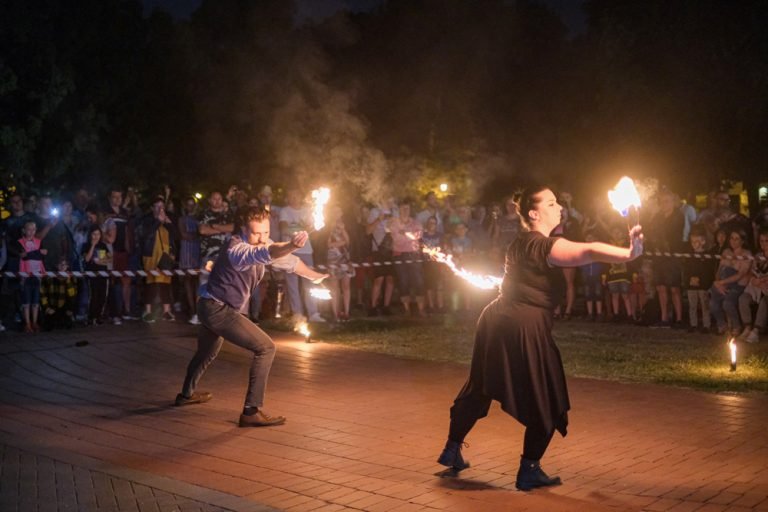
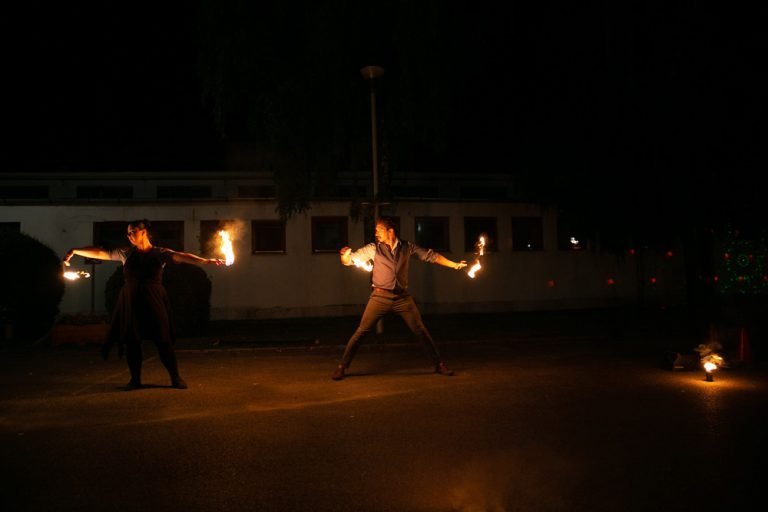
Fire dancing, a mesmerizing blend of art and danger, has been a captivating spectacle across the globe. Its allure lies not only in the fiery displays but in the rich variety of styles and techniques that define it across different cultures. But what are the regional differences in fire performance, and how have they evolved? In this article, we explore the distinctive elements of fire dancing around the world, highlighting diverse cultural influences and innovations.
Understanding the Art of Fire Dancing
At its core, fire dancing combines rhythmic movements with flames, often set to music, creating an unforgettable visual experience. While the essence remains the same, its manifestation varies significantly. From Polynesian fire dancers performing the traditional ‘Siva Afi’, to Asian dragon dances, each region offers a unique interpretation of this fiery art.
The Polynesian Influence: Siva Afi
Originating from Samoa, the Siva Afi is a ceremonial dance performed with fire knives. Historically reserved for tribal ceremonies, it has now become a symbol of Polynesian identity. The dance showcases spectacular manipulation of fire knives, requiring dexterity and courage. Recent statistics show that Polynesian fire dancing attracts over 50,000 visitors annually to festivals in Hawaii and New Zealand.
Asia’s Enigmatic Fire Dragon Dances
In contrast, the Chinese Fire Dragon Dance is rooted in ancient myths where dragons represent strength and good fortune. The dance involves hundreds of performers, weaving fire-lit dragons through streets during events like the Mid-Autumn Festival. This not only aims to entertain but also to ward off evil spirits, showcasing the cultural significance attached to the performance.
Modern Interpretations and Innovations
As fire dancing transcends traditional boundaries, modern interpretations have emerged, incorporating elements like LED lights and art installations. Contemporary fire dancers often collaborate in global festivals, such as Burning Man in Nevada, where performers from over 30 countries converge, displaying a mélange of styles and techniques.
Benefits and Challenges of Organizing Fire Dance Shows
For event organizers and municipalities, incorporating fire performances can be an exhilarating addition to cultural and community events. However, it also comes with its set of challenges:
- Safety Compliance: Ensuring proper safety protocols and emergency measures are paramount.
- Permits and Regulations: Navigating the legal requirements and obtaining necessary permits can be complex.
- Cultural Sensitivity: Understanding and respecting the cultural significance of the performances is crucial.
- Audience Engagement: Developing interactive segments to enhance audience engagement can be beneficial.
Conclusion: Embrace the Fiery Art
The world of fire dancing, with its myriad styles and cultural intricacies, is an enriching spectacle worth exploring. Whether you’re an event organizer aiming to add an exotic flair to your programs or simply a cultural enthusiast, understanding the global dimensions of fire dancing can be invaluable. Tap into the fiery arts and start planning your next show by visiting Hestia Fire Dance Shows.
Key Takeaways
- Fire dancing is a globally diverse art form with unique regional styles.
- Polynesian and Asian fire dances showcase deep cultural significance.
- Modern fire dance incorporates innovative elements, attracting global audiences.
- Event organizers should prioritize safety and cultural sensitivity.
- Engaging with fire dance offers exciting opportunities for cultural enrichment.
“`