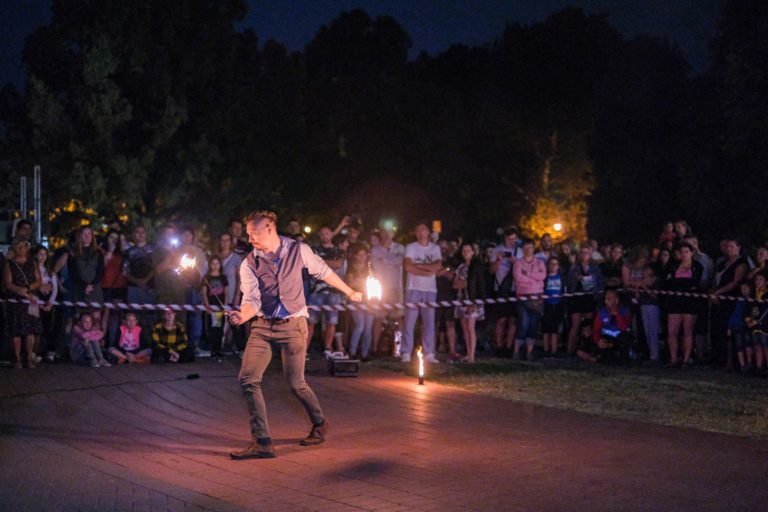

The Dangers of Fire Dancing and How to Avoid Them
Fire dancing, an ancient performance art that captivates audiences with its mesmerizing displays of flame, is as dangerous as it is beautiful. While it’s a stunning highlight for events and festivals, the risks involved cannot be ignored. This article delves into the potential dangers fire dancers face and provides essential fire safety tips to mitigate these risks, ensuring everyone can enjoy the spectacle safely.
The Intricacies and Risks of Fire Dancing
Whether you are an experienced event organizer or someone new to planning, understanding the complexities of fire dancing is crucial. Fire dancing involves performers using various equipment such as poi, staffs, and hoops engulfed in flames. This art requires precision and skill, as even the smallest mistake can lead to severe consequences.
Fire Hazards and Injuries
Fire dancers are in constant proximity to open flames, which poses several hazards:
- Burns and Inhalation Injuries: Even seasoned performers are not immune to burns. Skins’ proximity to heat, combined with inhalation of fumes, can cause serious health issues.
- Venue Hazards: Indoor venues with flammable materials present a heightened risk. Outdoor spaces, though safer, can have obstacles that disrupt performances.
According to the American Burn Association, an estimated 486,000 fire-related burn injuries are recorded yearly in the U.S. It underscores the importance of taking proper precautions during any fire performance.
Legal and Financial Risks
Event organizers must consider the legal implications of hosting fire performances. Liability for injuries to performers or audience members is a significant concern, which can lead to lawsuits and substantial financial losses.
Implementing Essential Fire Safety Tips
Despite its inherent risks, fire dancing can be performed safely with proper precautions. Here are crucial fire safety tips to observe:
Comprehensive Risk Assessment
Before any event, conduct a thorough risk assessment. Identify potential fire hazards specific to the venue and devise strategies to mitigate them. This should include:
- Assessing Venue Layout: Ensure there is ample space for performers, away from audiences and flammable materials.
- Emergency Protocols: Establish clear emergency procedures, including marked exits and accessible fire extinguishers.
Training and Equipment Checks
Ensure all performers are adequately trained and have undergone recent safety drills. Fire equipment should be checked regularly for defects:
- Safety Gear: Performers should wear flame-resistant clothing and use approved equipment.
- Spotters: Designate trained spotters to assist in case of emergencies during performances.
Insurance and Compliance
It is critical to carry sufficient insurance cover for events involving fire dancing. Additionally, comply with local regulations and acquire necessary permits to avoid legal complications.
Conclusion: Ensuring a Safe and Spectacular Fire Performance
The beauty of fire dancing lies in its controlled chaos. By understanding and addressing the dangers, event organizers can provide safe, mesmerizing experiences for their audiences. Remember, the safety of performers and spectators is paramount. For professional fire dance shows that prioritize safety and creativity, explore Hestia Fire Dance Shows.
Key Takeaways
- Fire dancing is inherently risky but can be safely executed with proper precautions.
- Conduct a thorough risk assessment to identify and mitigate potential hazards.
- Ensure performers are well-trained and use approved, safe equipment.
- Compliance with local regulations and insurance coverage is essential.
- Partner with professional fire dance services to ensure safety and spectacle.
“`