
t Event Hosts Should Know About Fire Safety
Whether you’re organizing a cultural festival, a corporate event, or a private celebration, fire safety is non-negotiable. With guests’ well-being and venue integrity on the line, your ability to prepare for and prevent fire hazards is a critical responsibility. But what exactly should event hosts be aware of when it comes to fire safety, beyond standard regulations? Let’s explore the core considerations, practical steps, and vital tools needed to ensure a safe and successful event.
Why Fire Safety Can’t Be Overlooked
Each year, thousands of event venues suffer fire-related emergencies. According to the National Fire Protection Association (NFPA), public assembly property fires cause an estimated $320 million in direct property damage annually in the U.S. alone. In many of these cases, inadequate planning, non-compliance with local codes, or improper use of pyrotechnics and heating equipment were key factors.
As the host, you bear legal and ethical responsibility for people’s safety. Fire safety isn’t just about fulfilling regulations—it’s about safeguarding lives and reputations.
Key Elements of an Event Host Fire Safety Checklist
To navigate this complex responsibility, use a detailed host checklist for fire safety. Below are critical areas every event professional should cover:
1. Venue Inspection and Approval
- Check official permits and inspection records for the venue’s fire compliance.
- Ensure the venue has accessible, well-maintained fire exits, extinguishers, smoke detectors, and sprinklers.
- Confirm occupancy limits and emergency access points with the local fire marshal.
2. Fire Risk Assessment
- Identify potential ignition sources: catering equipment, stage lighting, candles, fire acts, etc.
- Assess flammable materials: decorations, drapes, cardboard signs, etc.
- Evaluate fire safety vulnerabilities, especially in outdoor or large-scale events where escape routes may be unclear.
3. Staff Training and Coordination
All staff and volunteers must be briefed on:
- Emergency evacuation plans and their roles in fire scenarios.
- Location and use of fire extinguishers and fire alarm panels.
- How to contact emergency services and relay accurate information.
“Fire drills are not optional. A 10-minute emergency simulation can mean the difference between chaos and controlled response.” – Event Risk Management Association
4. Fire Performer Considerations (Including Fire Dancers)
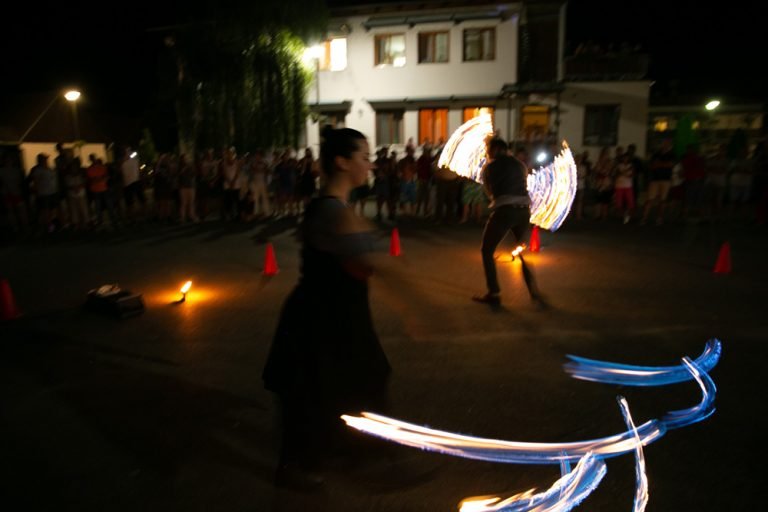
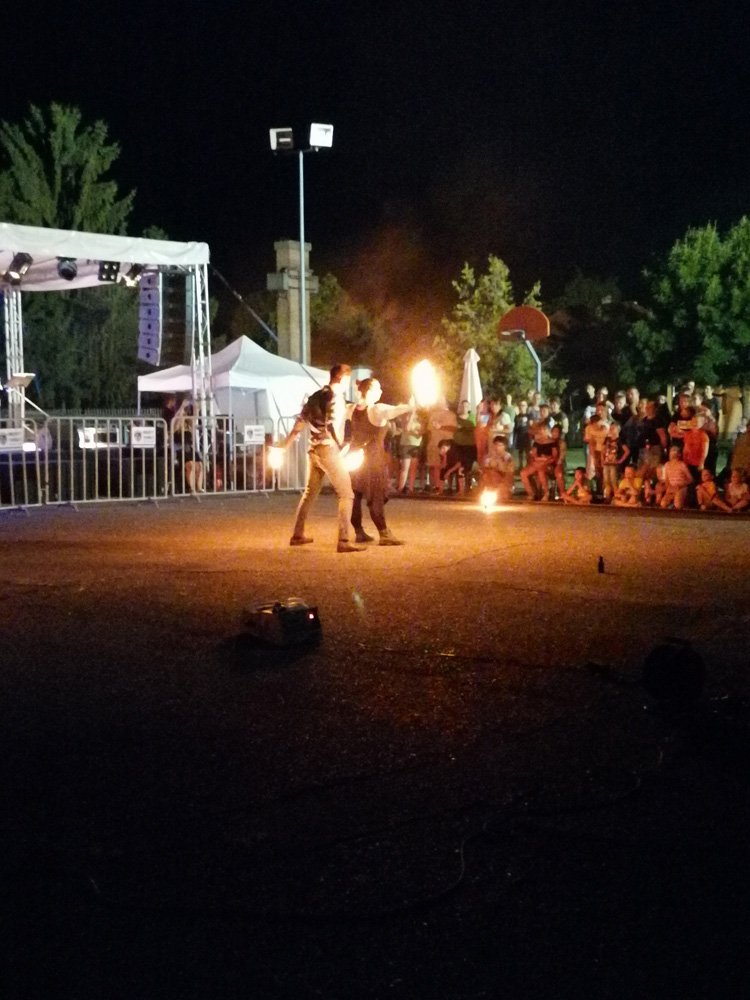
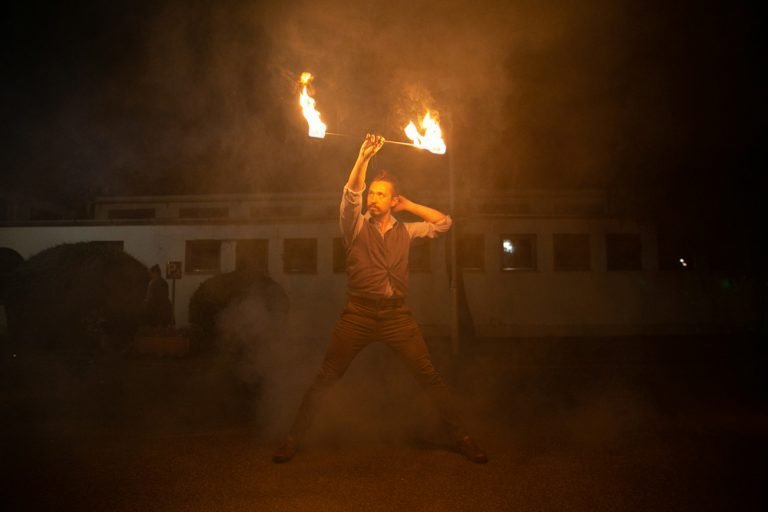
Entertaining fire shows can elevate the ambiance of any event—but only if managed correctly. If you’re hiring fire dancers or pyrotechnic acts:
- Ensure performers have liability insurance and safety certifications.
- Designate a fire performance zone with proper barricades and distance from the audience.
- Confirm that a trained fire safety spotter will be present with extinguishers and fire blankets.
For trusted, professional fire shows that place safety first, consider services like Hestia Fire Dance.
Common Mistakes to Avoid
Even experienced event hosts can overlook elements that increase fire risk. Here are some frequent pitfalls and how to avoid them:
- Blocking exits with decorations — Keep all pathways and exits clear, even during set-up and breakdown.
- Using uncertified electrical equipment — Overloaded circuits and faulty wiring are major fire starters.
- Lack of event-specific emergency planning — Don’t rely solely on venue protocols; tailor a response strategy for your unique event setup.
Working with Local Authorities
Before the event:
- Submit your event layout and risk assessment to the local fire department in advance.
- Request a pre-event walk-through with the fire marshal or safety officer.
- Establish direct contact with emergency services personnel who can advise bespoke risk mitigation steps.
Outdoor Events and Fire Hazards
While outdoor venues reduce some structural risks, open-air events come with their own challenges:
- Wind and dry conditions can instantly escalate a small incident into a wildfire risk.
- Ensure open flame permits are acquired for barbecues, fire pits, or artistic flame installations.
- Have backup extinguishing systems like fire sand buckets or mobile water tanks in case access to hydrants is limited.
Conclusion: Making Safety Part of the Experience
Fire safety doesn’t mean cutting down on event creativity—it means designing smarter, safer experiences. From proper training to risk assessments and expert-performed fire entertainment, the right precautions empower you to host with confidence and professionalism.
Don’t leave fire safety to chance. Book a certified fire show with Hestia Fire Dance and ensure your event dazzles safely.
Key Takeaways
- Always inspect and confirm your venue’s fire safety compliance.
- Use a detailed fire safety host checklist to guide your preparation process.
- Train staff and performers in emergency protocols.
- Integrate fire-safe performance acts using insured professionals.
- Coordinate emergency plans with local fire authorities.