
The Science Behind Fire Dancing: How It Works
Fire dancing is not just an awe-inspiring performance art; it’s a stunning intersection of physics, chemistry, and sheer human ingenuity. From ancient rituals to modern-day festivals, fire dancers have captivated audiences worldwide. But what exactly happens when these performers gracefully manipulate flaming objects? Let’s delve into the science behind fire dancing and uncover how it works.
The Physics of Fire Performance
At the heart of fire dancing lies the science of combustion. Fire is the visible effect of the process of combustion – a chemical reaction between oxygen and a fuel source. This reaction produces heat, light, and various combustion products, typically carbon dioxide and water.
Combustion in Motion
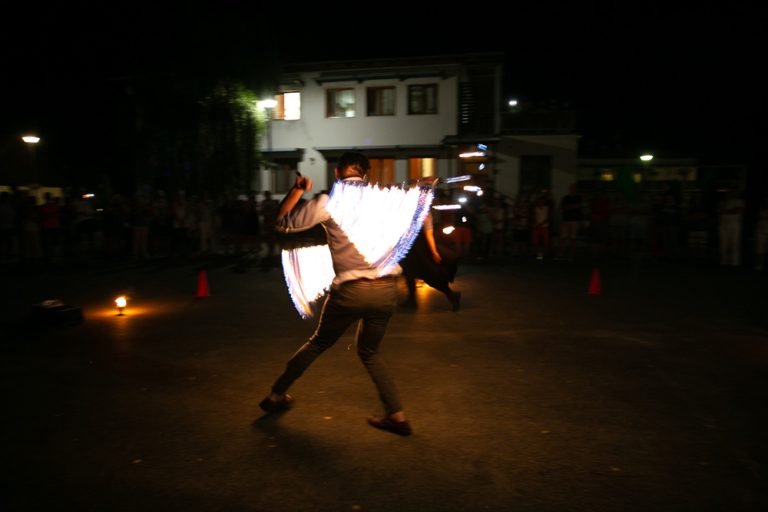
Fire dancers use various tools such as poi, staffs, or fans that are often soaked in flammable liquids like paraffin or kerosene. When ignited, these tools produce a steady flame. The trick is maintaining this delicate balance of combustion while manipulating these objects through complex movements. The physics principles of momentum, angular velocity, and centrifugal force are all at play.
Poi spinning, for instance, utilizes centrifugal force. As the poi orbs are swung around in a circular motion, this force ensures the flames stay outward, making the performance both impressive and safe.
The Chemistry of Flames
Understanding the chemistry of fire is crucial for fire dancers. Different chemicals can influence the color and intensity of a flame. For example, adding lithium can produce a red flame, while copper might turn it green. This knowledge allows performers to create visually stunning effects that captivate their audiences.
Color and Temperature
The temperature of the fire also affects its color. Cooler flames appear red or orange, while hotter flames might glow blue or white. Fire dancers must be aware of these temperature variations, not only for aesthetic purposes but also for ensuring their safety.
Safety Measures and Practical Applications
Despite its inherent risks, fire dancing is rendered comparatively safe through rigorous training and strict safety protocols. Performers typically wear flame-retardant clothing and have emergency safety measures in place, such as fire extinguishers and a safety spotter.
Benefits of Fire Dancing
- Physical Fitness: Fire dancing requires a significant level of physical fitness and can help performers build endurance, strength, and coordination.
- Community and Cultural Connection: Many fire dancing events are rooted in traditional cultural practices, helping keep these traditions alive.
- Entertainment Value: Fire dancing acts as a mesmerizing form of entertainment that can add a unique flair to festivals, parties, and events.
Conclusion
Fire dancing is a thrilling art form that combines science with artistic expression. By understanding the physics of fire performance and the chemistry behind the flames, fire dancers can create spectacular shows that leave audiences in awe. Whether you’re organizing an event or exploring new forms of engagement, fire dancing can offer an unforgettable experience. Get inspired by what you’ve learned here and witness the magic of fire dancing for yourself – discover our fire dance shows today!
- Fire dancing involves the science of combustion, physics, and chemistry.
- Safety is paramount, with flame-retardant clothing and emergency protocols.
- Understanding flame color and temperature is crucial for both aesthetics and safety.
- Fire dancing fosters physical fitness and cultural connections.
- It’s an unparalleled form of entertainment for events of all kinds.
“`