
Environmental Impact of Fire Dancing: Sustainability in Performance
In recent years, the world has become increasingly conscious of environmental sustainability across all industries — and performance art is no exception. As mesmerizing as they are, fire dancing shows prompt an important question: what is the environmental impact of fire performances, and how can we make fire shows more eco-friendly? This article explores the ecological footprint of fire dancing and highlights innovative solutions and sustainable practices that reduce environmental harm without compromising on the spectacle.
The Hidden Carbon Footprint of Traditional Fire Dancing
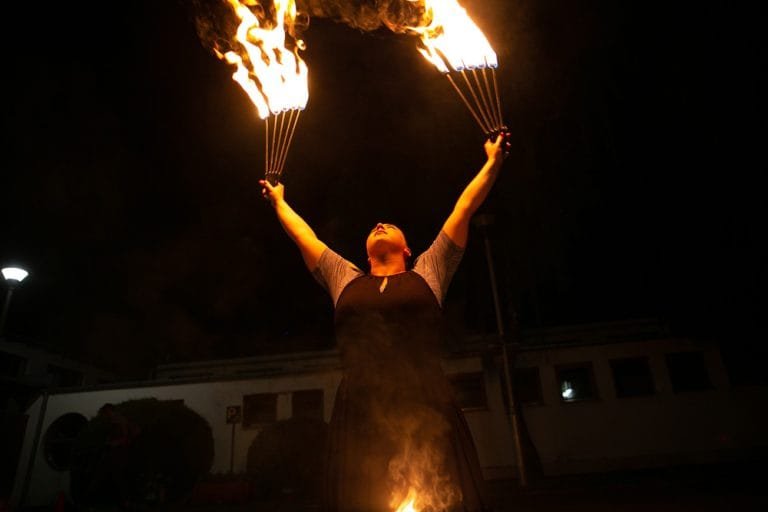
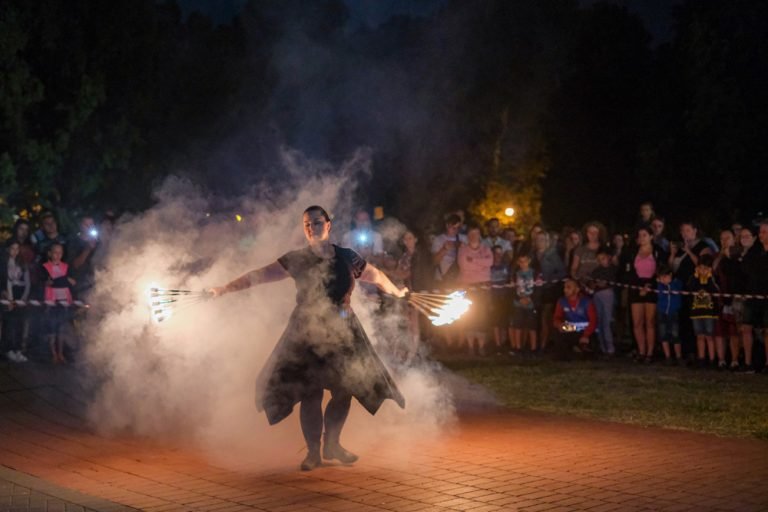
Fire dancing, by its very nature, relies on combustion — typically through fuels like paraffin, white gas, or kerosene — to create that iconic visual magic. Each time a fire performer lights a poi, staff, or torch, they contribute to carbon emissions. While individually minimal, these performances can add up significantly over time and across multiple events, especially high-frequency public displays.
According to a 2021 study on small-scale event emissions, a single hour-long fire show can generate between 4–7 kg of CO₂ emissions, depending on the fuel type used. Multiply this by dozens of shows in a festival season, and the impact becomes clear.
Many organizers overlook the fact that unsustainable fuel use in fire dancing contributes to air pollution and unnecessary carbon output — a contradiction when hosting events promoting environmental awareness.
Eco-Friendly Fire Show Practices: What Do They Look Like?
Fortunately, the performing arts community has continuously innovated to reduce environmental impact. As eco-conscious event planning grows, a new wave of performers and groups is spearheading eco-friendly fire show practices that impress audiences while respecting the planet.
1. Switching to Sustainable Fuel Alternatives
One of the most effective ways to cut down emissions is by substituting traditional fuels with environmentally friendlier options. For example:
- Isopropyl alcohol-based fuel gels: These burn cleaner and produce less smoke.
- Biodiesel-based lamp oils: Biodegradable and made from renewable resources.
- Ethanol from agricultural waste: Offers high performance with significantly lower emissions.
Using cleaner fuels not only minimizes carbon output but also improves air quality at the event — a visible benefit for viewers and performers alike.
2. LED and Pyro-Free Alternatives
Some performance troupes are embracing LED fire props that mimic real flames with programmable lighting for an even more visually dynamic show. These props can be used in fire-restricted areas, reduce fire risk, and eliminate fuel use altogether.
Many hybrid performances now combine LED visuals with limited open-flame elements to reduce overall environmental costs while maintaining excitement and drama.
3. Equipment Reuse and Locally Sourced Materials
Sustainability goes beyond fuel—many fire performers minimize waste by using reusable equipment and choosing locally sourced, biodegradable wicks and textiles. Choosing props that are made from recycled or upcycled materials can drastically cut down the lifecycle impact of a performance.
4. Educating Organizers and Audiences
Artists are now also acting as educators. By informing audiences and clients about their sustainability choices, performers can influence future events to adopt green standards. This could include:
- Stating the type of eco-fuel used in the program or announcement.
- Including sustainability practices in event rider documentation.
- Collaborating with green event certification programs to go carbon-neutral.
Benefits of Eco-Conscious Fire Shows for Event Organizers
For municipalities, corporate event planners, and nonprofit organizers, using sustainable fire dancers isn’t just good ethics — it’s smart strategy:
- Public relations boost: Promote your event as environmentally responsible.
- Compliance: Easier to obtain fire permits when using low-risk or smoke-free options.
- Cost savings: Reusable materials and fuel efficiency mean lower long-term costs.
- Broader audience reach: Eco-conscious shows attract environmentally aware audiences and sponsors.
“Incorporating sustainability into performance art is no longer optional; it’s a reflection of modern social values,” says Emma Cardenas, sustainability consultant and event coordinator. “Performances that wow and protect the planet are the future of live events.”
Case Study: Hestia Fire Dance’s Commitment to Sustainability
Hestia Fire Dance is leading by example. The troupe has implemented several eco-conscious measures in their shows:
- Fuel choice: Use of clean-burning, ethically sourced fuel solutions
- LED integration: 40% of their shows now incorporate LED fire props
- Carbon offsetting: Investment in environmental projects to offset emissions
- Education: Workshops on sustainable performance practices
This level of commitment demonstrates that breathtaking fire performances and eco-responsibility can coexist — setting a powerful example for the industry.
Conclusion: Choosing Sustainable Fire Entertainment
Fire dancing continues to captivate audiences worldwide — from community celebrations to international festivals. But as our awareness of environmental responsibility deepens, it’s crucial that we align performance art with sustainable principles.
By selecting fire dancers who emphasize eco-friendly fire show practices, event organizers can reduce their carbon footprint, adhere to safety and compliance standards, and create performances that audiences can admire with a clear conscience.
Looking to book a sustainable fire performance? Choose a company that brings fire to life without burning our planet. Discover breathtaking and eco-conscious options at Hestia Fire Dance.
Key Takeaways
- Fuel choice matters: Using clean-burning or renewable fuels significantly reduces emissions.
- Technology is an ally: LED props and mixed-media performances offer fire-like effects without combustion.
- Reusability reduces waste: Using long-life tools and local materials minimizes ecological impact.
- Sustainability can be a selling point: Green performances enhance your event’s brand and appeal.
- Collaboration drives change: Performers and planners working together can shape a greener future for live events.