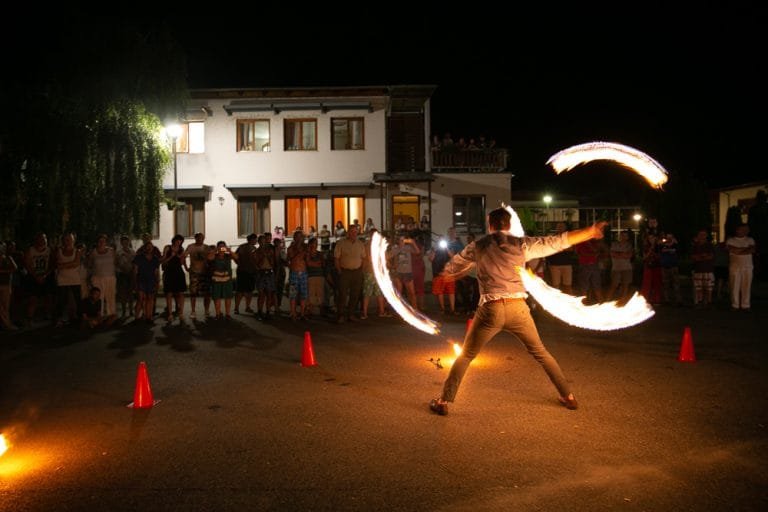

Training Your Body for the Stage: Fire Performer Fitness
In the mesmerizing world of fire dancers, where artistry meets danger, physical fitness plays a crucial role in ensuring both safety and performance excellence. But what does it take to train your body for the stage when you’re wielding a blazing torch? Let’s dive into the essentials of fire performer fitness.
Understanding the Physical Demands of Fire Dancing
The art of fire dancing involves a unique set of physical challenges. From flexibility to endurance, performers must cultivate a body that’s not only visually appealing on stage but also capable of managing the intense demands of this fiery art.
“Fire dancing requires an exquisite combination of dance, strength, and fear management skills,” says renowned fire performer Aiden Flames.
Flexibility and Mobility
Flexibility is the cornerstone of many dance styles, and fire dancing is no exception. Performers often incorporate yoga and pilates in their fitness regimes to enhance their range of motion. This not only aids in executing complex movements with ease but also helps in injury prevention.
- Yoga: Ideal for increasing flexibility and reducing stress.
- Pilates: Focuses on balance and core strength, vital for dynamic fire performances.
Cardiovascular Endurance
Maintaining cardiovascular endurance is essential for any performer. Fire dancers, in particular, require stamina to perform long routines without fatigue. High-intensity interval training (HIIT) often comes into play, ensuring that performers can sustain high energy levels while engaging their audience.
- Interval Running or Cycling: Boosts cardiovascular capacity.
- Jump Rope: An excellent full-body workout that builds stamina.
Strength and Conditioning for Fire Dancers
Strength training is indispensable for developing the core and limb strength needed to manage and control fire implements. Fire dancers often think of conditioning as a way to stabilize their movements, allowing for both creative expression and safety on stage.
- Bodyweight Exercises: Push-ups, pull-ups, and squats are fundamental.
- Resistance Bands: Great for targeted muscle conditioning.
Emphasizing strength helps dancers avoid injuries, maintain exquisite posture, and handle the weight of fire tools during those spellbinding routines.
Practical Applications and Safety Measures
Integrating these fitness elements doesn’t just optimize performance — it serves as a critical safety measure. A well-conditioned body is less prone to accidents, enabling performers to handle unexpected variables during live shows.
Mindfulness and Breath Control
Beyond physical readiness, fire performers must also practice mindfulness and breath control techniques. These practices help manage adrenaline and maintain focus, which are fundamental when engaging with fire.
“Mindfulness allows me to remain calm and centered, focusing on the rhythm rather than the flames,” shares Mia Sparks, a seasoned fire performer.
Conclusion: Elevate Your Fire Performance
Fitness is an indelible component of successful fire performances. Incorporating flexibility, endurance, strength training, and mindfulness into your regimen can significantly elevate both your safety and artistic skills. Ready to light up the stage with robust fire dancing skills? Visit Hestia Fire Dance to explore the magic of fire shows.
Summary
- Fire dancing combines artistry and physical demands.
- Key fitness areas include flexibility, cardiovascular endurance, and strength.
- Mindfulness and breath control enhance performance safety.
- Commitment to fitness optimizes both safety and artistic expression.
“`