
The Science of Fire: Understanding Fire Dynamics
Since time immemorial, fire has captivated human imagination. Its mesmerizing dance and transformative power are both enchanting and dangerous. But what exactly is fire? How does it behave, and why should understanding its dynamics be important to event organizers and municipal staff?
Understanding the Basics of Fire Physics
Fire is a complex chemical reaction that involves the combustion of fuel, heat, and an oxidizer. This process is called the fire triangle, which is essential in understanding flames. In simple terms, removing any one of these elements will extinguish the fire. This principle is crucial in both firefighting and fire prevention strategies.
The Fire Triangle: Fuel, Heat, and Oxygen
The first element, fuel, can be any combustible material, such as paper, wood, or gasoline. The second element, heat, is needed to ignite the fuel and maintain extreme temperatures. The third element, oxygen, is the oxidizer that feeds the fire, without which the flame cannot sustain itself.
“In controlled environments, understanding the fire triangle can help create spectacular fire performances safely.”
The Dynamics of Fire Behavior
Fire behavior refers to how fire reacts in different environments and conditions. Temperature, fuel type, and environmental factors like wind significantly affect how a fire behaves. This understanding is essential for event organizers planning to incorporate fire elements in their shows.
Factors Affecting Fire Behavior
- Temperature: Higher temperatures can increase the rate of combustion.
- Fuel type: Different materials burn at different rates and intensities.
- Oxygen availability: More oxygen can make the fire burn hotter and faster.
- Wind: Can significantly alter the direction and rate of fire spread.
Practical Applications and Benefits
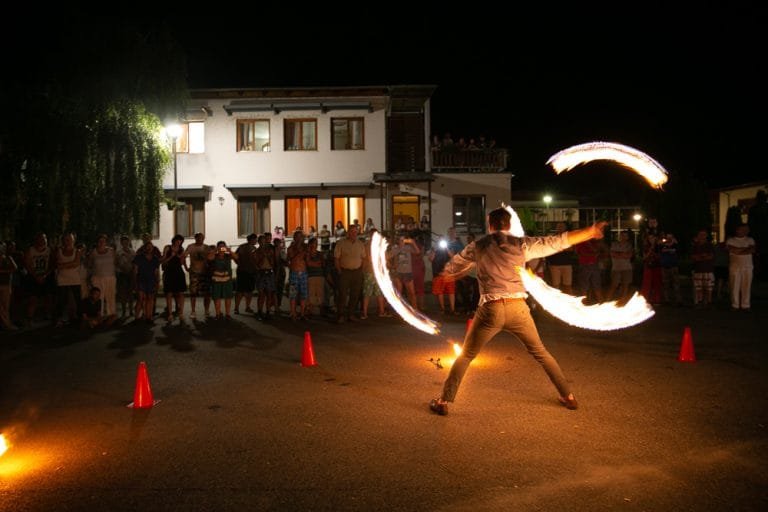
Understanding fire dynamics is not just academic but has several practical applications. For instance, fire shows rely heavily on the science of fire dynamics to ensure safety while delivering stunning performances. By controlling fire elements, artists can manipulate flames to create intricate designs and patterns.
- Enhancing Safety Protocols: By comprehending fire physics, event organizers can devise enhanced safety measures.
- Optimizing Performances: Knowing how fire reacts can optimize fire performances for breathtaking spectacles.
- Energy Efficiency: Certain fire behavior principles can improve energy output in industrial applications.
Conclusion
Undoubtedly, mastering the science of fire dynamics offers a unique blend of entertainment and safety. Whether you are an event planner incorporating fire elements or a municipal worker concerned with fire safety, a deeper understanding of this natural phenomenon can make all the difference. Explore the extraordinary world of fire shows today and see how science and art combine to deliver striking visual experiences.
Summary
- Fire requires fuel, heat, and oxygen—understanding this is crucial for fire management and control.
- Knowing fire behavior helps in planning safer, more effective fire-related events.
- Understanding fire can optimize both safety and performance in controlled environments.
- Fire dynamics knowledge is invaluable for both energy efficiency and spectacular fire shows.
“`